
Air Conditioning Installation
Great air conditioning installation starts with one goal: stable comfort that stays consistent when the heat hits.
If your current system is failing or acting unpredictable, start with
repair-focused troubleshooting.
If your system still cools and you want it running at its best while you plan ahead, see
seasonal AC service and upkeep.
This page focuses only on installation decisions, what affects long-term performance, and what “done right” looks like in real homes.
If you’re still deciding which path fits your situation, our
Air-Conditioning Services guide
lays out service vs repair vs replacement in plain language, so you do not waste money on the wrong move.
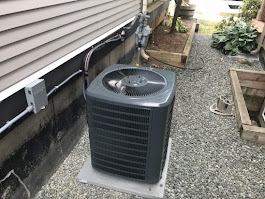
What Air Conditioning Installation Really Means
Air conditioning installation is a system-level job. Comfort comes from the full chain working together: correct sizing,
airflow that matches the equipment, clean electrical integration, proper refrigerant management, and commissioning that confirms real performance.
That is why two homes can buy the same model and get completely different results.
A good installation gives you predictable run times, steady room temperatures, and fewer mid-season surprises.
A rushed installation often shows up as short cycling, noisy operation, weak airflow in certain rooms, or rising bills that do not match the system’s rating.
Installation quality is what turns “high efficiency on paper” into comfort you can feel.
Data-Driven: What Drives Installation Success
In field work, the most common “new system complaints” are not brand failures. They are design and setup issues: the unit is sized wrong,
airflow cannot support the equipment, or the home has hot spots that were never addressed before the new unit went in.
That is why the best installs start with the home, not the box.
Here is the practical way to think about it: installation quality controls how often the system cycles, how evenly the home cools,
and how hard the compressor has to work to hit temperature targets. When those three are dialed in, equipment lasts longer and comfort is more consistent.
Types of Air-Conditioning Systems We Install
Air conditioning installation can mean different equipment depending on the home’s layout, ductwork, and comfort goals.
The right choice depends on how you use the home, where the hot spots are, and how you want cooling to behave during heat waves.
- Central air conditioners (ducted systems)
- Ductless mini-split systems
- Multi-zone ductless systems
- High-efficiency inverter systems
- Split AC systems (indoor + outdoor)
- Outdoor unit replacements where appropriate
- Cooling upgrades for existing ductwork
- Comfort improvements for hot spots and airflow issues
Air Conditioning Installation Parts and Components
Installation quality depends on how the full system is matched and integrated. These are common components involved in a professional install.
- Outdoor condenser unit
- Indoor evaporator coil
- Line set (refrigerant piping)
- Electrical disconnect
- Contactor and capacitor (as applicable)
- Condensate drain system
- Thermostat or control system
- Air handler or furnace interface (for ducted)
- Filter housing and airflow path
- Mounting pad / brackets
- Vibration isolation (as needed)
- Commissioning measurements and verification points
Air-Conditioning Brands We Install
- Carrier
- Lennox
- Trane
- Daikin
- Goodman
- Amana
- York
- Rheem
- Ruud
- American Standard
Air Conditioning Installation Across the Lower Mainland
This pillar supports installation planning across the Lower Mainland. For now, we are publishing the full city list and linking Burnaby first.
- Cooling upgrades installed for Burnaby homes
- New AC installs for Vancouver homes
- Home cooling installations in Surrey
- AC replacements in Coquitlam
- Air-conditioning installs in Richmond
- North Vancouver AC installation planning
- West Vancouver new cooling systems
- New Westminster AC installation support
- Delta air-conditioning replacement options
- Langley residential AC installs
- Maple Ridge cooling system installation
- Pitt Meadows new AC setups
- Port Coquitlam AC installation service
- Port Moody cooling upgrades
- White Rock air-conditioning installs
- Tsawwassen new cooling installations
- Ladner AC replacement planning
- Local installs near Port Mann
Related Installation Services
If you are upgrading cooling, you may also be planning other home comfort upgrades. These pages stay installation-focused so your intent stays clean.
What does air conditioning installation include?
Air conditioning installation includes system sizing, equipment selection, placement planning, electrical integration, refrigerant connection, and final performance verification.
It matters because the same equipment can deliver very different comfort depending on airflow balance and commissioning quality.
In real Lower Mainland homes, poor sizing and airflow mismatch are the top causes of “new system” complaints.
A proper installation delivers consistent temperatures, stable run times, and better long-term reliability.
Why Choose Efficient Heating Service
You want the installation done clean and correct the first time. We focus on sizing accuracy, airflow reality, and performance verification so your comfort holds up through heat waves.
We keep recommendations straightforward, match equipment to the home, and protect long-term reliability through careful commissioning.